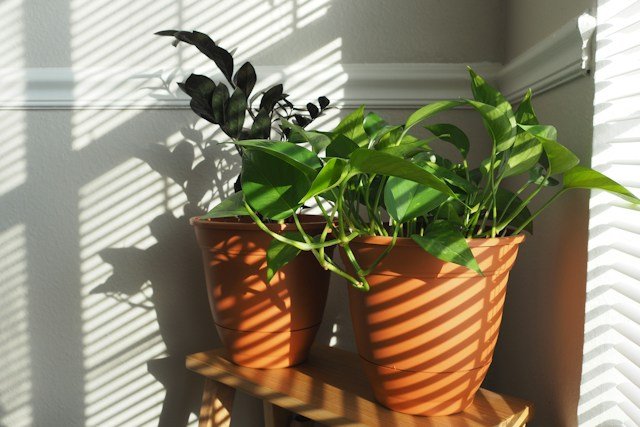
Somewhere in most people’s past is a dead plant they still feel a little guilty about. Maybe it was a fern that dried out during a busy month, or a succulent that rotted because someone loved it a bit too enthusiastically with the watering can. If that sounds familiar, the problem was probably never a lack of skill. It was the plant. Some houseplants are simply built for people with unpredictable schedules, inconsistent light, and no interest in misting anything on a timer.
This list isn’t about rare, Instagram-famous plants that need a humidity tent and a spreadsheet. It’s about the ones nurseries quietly rely on to survive weeks of neglect on their own shelves — plants that tolerate low light, irregular watering, dry apartment air, and the kind of benign forgetting that happens to everyone eventually. Each one below includes what it actually needs, not the idealized care sheet version, plus a note on where it fits in a home and whether it’s safe if you share your space with a cat or dog.
What “low-maintenance” actually means
Before the list, it helps to know what separates an easy plant from a fussy one. It usually comes down to three things: how much light it truly requires (versus what a tag claims), how forgiving it is about watering mistakes, and how tolerant it is of the dry, climate-controlled air inside most homes. A plant that checks all three boxes can sit in a hallway with no windows, get watered whenever you remember, and still look reasonably good a year later.
None of the plants on this list need daily attention. Most want to be checked on once a week, and a few are happy with a glance once a month. That’s the entire point.
13 houseplants that are genuinely hard to kill
Snake Plant (Dracaena trifasciata)
If there’s a single plant to start with, this is it. Snake plants store water in thick, upright leaves, which means overwatering — not underwatering — is the only real way to hurt one. It tolerates dim corners, fluorescent office light, and being ignored for a month without complaint. It’s mildly toxic if chewed, so keep it out of reach of curious pets.
Golden Pothos
Pothos will visibly droop when it’s thirsty, then perk back up within hours of a drink — it’s one of the few plants that tells you exactly what it needs. It grows quickly, trails beautifully off a shelf, and roots easily in a jar of water if you want to grow more for free. Keep vines away from pets who like to chew, since it can irritate their mouths.
ZZ Plant (Zamioculcas zamiifolia)
The ZZ plant has thick, potato-like rhizomes underground that store enough water to shrug off a month of neglect. Its glossy leaves rarely get pests, and it genuinely does better in offices and windowless rooms than in bright sun, which can scorch it. This is arguably the most “unkillable” plant on this list.
Cast Iron Plant (Aspidistra elatior)
Victorian parlors used this plant specifically because it survived poor light, coal smoke, and inconsistent care in an era before central heating. Not much has changed — it still handles dark corners, temperature swings, and dry air better than almost anything else, and it’s non-toxic to pets.
Spider Plant
Spider plants are forgiving about missed waterings and actually reward you for it by producing “babies” — small plantlets on long stems that can be snipped off and rooted into new pots. They’re one of the few common houseplants that’s completely non-toxic, making them a safe pick for homes with pets or curious toddlers.
Chinese Evergreen (Aglaonema)
Chinese evergreens come in patterned varieties — silver, pink-tinged, deep green — that add visual interest without any extra care. They tolerate low light and the dry air of heated apartments better than most patterned plants, which usually demand more attention.
Peace Lily
Peace lilies dramatically droop when thirsty and bounce back within an hour of watering, so there’s little guesswork involved. They also bloom indoors under decent light. The one caveat: they’re toxic if ingested, so this one is better suited to pet-free homes or rooms pets can’t access.
Heartleaf Philodendron
Similar to pothos in toughness, philodendron has slightly softer, heart-shaped leaves and trails just as well. It’s a good choice for someone who wants a trailing plant but finds pothos too common — the care requirements are nearly identical.
Jade Plant
As a succulent, jade stores water in its thick leaves and actually prefers being under-watered to overwatered. It needs a genuinely sunny windowsill to thrive, so it’s better for a bright kitchen or south-facing room than a dim hallway. Keep it away from pets, as it’s mildly toxic if eaten.
Ponytail Palm
Despite the name, it’s not a true palm — it’s a succulent with a bulbous base that stores water, which is why it can go a month or longer between waterings. It’s slow-growing, non-toxic, and has enough visual character to work as a standalone statement plant.
Dracaena (Corn Plant or Dragon Tree)
Dracaena varieties are common in offices for good reason: they tolerate fluorescent lighting, irregular watering, and general neglect while still looking architectural and tidy. They’re mildly toxic to pets if chewed, so position them where curious animals can’t easily reach.
Rubber Plant (Ficus elastica)
Rubber plants have thick, glossy leaves that make them fairly resistant to underwatering, and they grow into an impressive floor plant over time with almost no fussing. Wipe the leaves occasionally to keep them dust-free and glossy — that’s about the extent of the maintenance.
Air Plant (Tillandsia)
Air plants need no soil at all — just a bright spot and a weekly 20-minute soak in room-temperature water, followed by shaking off the excess. They’re small, portable, and safe around pets, making them a good low-commitment option for a windowsill or a hanging display.
The mistakes that actually kill “unkillable” plants
Almost every low-maintenance plant that dies is a victim of overcare, not undercare. Watering on a fixed schedule regardless of how dry the soil actually is causes root rot more often than any other single mistake — checking the soil with a finger before watering solves this immediately. Pots without drainage holes trap water at the bottom and slowly suffocate the roots, so a cache pot with an insert is a better setup than planting directly into a sealed container. Direct afternoon sun through an unfiltered window can scorch even sun-loving plants faster than people expect, especially in summer. And fertilizing during winter, when most plants are dormant and barely growing, wastes fertilizer and can burn the roots — most of these plants only need feeding lightly during spring and summer.
A five-minute weekly routine
- Touch the soil of each plant — only water the ones that are actually dry an inch or two down.
- Turn each pot a quarter turn so growth stays even instead of leaning toward the light.
- Wipe dust off any large, glossy leaves so they can photosynthesize properly.
- Glance for yellowing leaves (usually overwatering) or crispy edges (usually low humidity or underwatering).
- Remove any dead or damaged leaves at the base — it keeps the plant tidy and reduces pest risk.
Frequently asked questions
What is the easiest houseplant to keep alive?
The snake plant and ZZ plant are usually considered the two hardest houseplants to kill, since both store water in their leaves or stems and tolerate low light, irregular watering, and dry indoor air without any noticeable stress.
Do low-maintenance houseplants still need sunlight?
Yes, but far less than most people assume. Nearly every plant on this list tolerates low to medium indirect light — meaning a spot a few feet from a window — rather than direct sun. Very few houseplants can survive with zero natural light at all.
How often should I water a low-maintenance houseplant?
Most do best when watered only after the top inch or two of soil has dried out completely, which is typically every one to four weeks depending on the plant, pot size, and season. Checking the soil directly is always more reliable than following a fixed schedule.
Which of these houseplants are safe for cats and dogs?
Spider plants, cast iron plants, ponytail palms, and air plants are non-toxic and considered safe around pets. Peace lilies and jade plants are toxic if ingested and are better suited to pet-free rooms or households.
Can low-maintenance houseplants improve indoor air quality?
Houseplants can modestly filter certain indoor air particles, but the effect in a typical home is small compared to the scale used in early lab studies. It’s a nice side benefit, not a substitute for proper ventilation.
