

You don’t need a zero-waste pantry or a composting setup to live a little more sustainably. You need a handful of habits that actually survive a busy week.
Sustainable living content online tends to come in two flavors: either an overwhelming checklist of forty things to change at once, or an aspirational photo of a minimalist pantry that quietly implies anything less isn’t good enough. Neither is particularly useful for someone trying to fit a few better habits into an already full life. Most people don’t abandon sustainable habits because they don’t care — they abandon them because the entry point was too big, too perfect, or too far from how their actual week runs.
This isn’t a list of forty swaps. It’s a small, realistic set of habits sorted by how much effort they take against how much they actually help, plus a simple way to ease into them without turning a Tuesday into a research project.
None of this requires a particular identity or lifestyle label. It’s for anyone who’d like their everyday habits to lean a little more sustainable without rearranging their whole life, their budget, or their weekends around it.
Why “all or nothing” sustainability fails
A common pattern: someone decides to overhaul their habits in one weekend, buys a stack of reusable products, feels great for a week, and then quietly drifts back to old habits once life gets busy again. The problem usually isn’t motivation — it’s that too many changes were introduced at once, with no sense of which ones actually mattered most. When everything feels equally important, nothing gets prioritized, and the whole effort collapses under its own weight.
There’s also a hidden cost to the all-at-once approach: it tends to front-load the hardest, least sustainable habits right alongside the easy ones, simply because a checklist doesn’t sort by difficulty. Someone attempting to compost, switch diets, and eliminate all plastic in the same week is set up to abandon all three, when one of those three alone, given a real chance, might have lasted well past the first month.
Sort habits by effort and impact first
Before picking any habit to start with, it helps to know where it actually falls on two axes: how much effort it takes, and how much difference it makes. Most lists skip this step entirely and present everything as equally worth doing, which is exactly how someone ends up spending a weekend hand-stitching a torn sleeve instead of just remembering to bring a reusable bag.
This two-axis approach borrows from a simple prioritization method used in all sorts of planning contexts: anything genuinely worth doing right away sits in the intersection of easy and impactful, while everything else can wait, or in some cases, never needs to happen at all. Applying that same lens to sustainable habits turns an overwhelming list into a much shorter, much more actionable one — one or two habits worth starting this week, rather than forty worth feeling guilty about.
LOW EFFORT · HIGH IMPACT
Start here
Reusable water bottle, bringing your own bags, line-drying clothes when possible, unplugging rarely-used electronics.
HIGH EFFORT · HIGH IMPACT
Worth it, eventually
Composting, switching to a mostly plant-based diet, air-drying laundry entirely, reducing car trips.
LOW EFFORT · LOW IMPACT
Fine, but don’t stress
Metal straws, a single reusable coffee cup, swapping one brand for a “green” labeled version.
HIGH EFFORT · LOW IMPACT
Skip, honestly
Making household cleaners entirely from scratch, growing all your own produce, hand-sewing clothing repairs.
The upper-left quadrant is where nearly all the actual progress happens for someone with limited time. It’s also the most commonly skipped, because it doesn’t feel as impressive as the harder stuff — there’s no dramatic before-and-after story in remembering a tote bag. But impressive and effective are different measures, and the quiet, boring habits in that first quadrant are doing more actual work than the ones that photograph well.

Adjusting this for where you actually live
Not every habit fits every living situation, and part of what makes sustainability guides feel unrealistic is that they assume a yard, a car, or full control over a home’s systems. Renters and apartment dwellers often have fewer options for things like composting or solar setups, but that doesn’t shrink the list of what’s actually available — it just shifts it.
For apartment living specifically, habits centered on consumption and daily routine tend to matter more than ones tied to a physical yard or garden: air-drying on an indoor rack instead of a backyard line, choosing a countertop compost bin with city pickup instead of a backyard pile, and combining errands into fewer trips when a car isn’t a given. None of these require owning the building or getting landlord approval to make a real, repeatable difference.
For homeowners, a few additional low-effort options open up — a rain barrel for outdoor watering, a small composting setup, or simply air-drying laundry outside more often. These aren’t better or more virtuous than the apartment-friendly versions; they’re just different tools available because of a different living situation.
Whichever category applies, it’s worth resisting the comparison entirely. A renter without yard access isn’t behind a homeowner with a compost pile — they’re just working with a different set of available tools, and the effort-versus-impact approach above applies equally well to both, just populated with different specific habits suited to whatever space is actually available.
A 7-day easy swap plan
Rather than changing everything at once, trying one small swap per day for a week builds habits gradually without any single day feeling overwhelming. None of these require buying anything new.
Bring a reusable bag to wherever you’re already shopping.
Unplug one device that’s rarely used but stays plugged in.
Skip one disposable item — a coffee cup, a plastic fork — with something reusable.
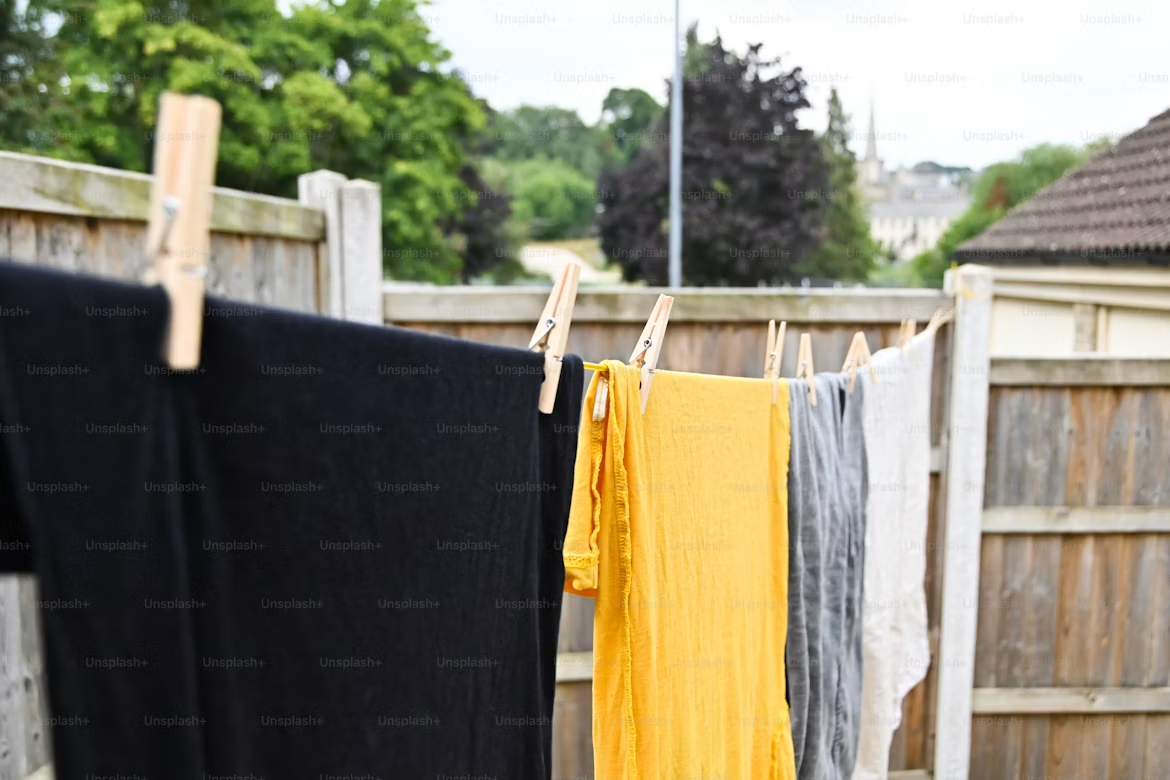
Air-dry one load of laundry instead of using the dryer.
Use up something in the fridge that’s close to going bad instead of buying more.
Combine errands into one trip instead of several separate ones.
Pick one habit from this week to actually keep going forward.
By Sunday, the goal isn’t to have mastered all seven — it’s to have found the one or two that genuinely fit into the week without friction, and to keep just those going. The ones that felt forced or easy to forget simply get dropped, with no guilt attached; they just weren’t the right starting point for this particular week.
How to tell if a habit will actually last
Not every well-intentioned habit survives contact with a real schedule, and it helps to have a quick way to check before committing to one. A habit that requires remembering something at an inconvenient moment — carrying a specific bag that’s easy to forget, or a routine that only works when nothing else in the day goes wrong — tends to quietly disappear within a few weeks, no matter how good the intention behind it was.
A more durable test: does this habit still work on a bad day? A reusable water bottle that lives in a bag already being carried passes this test easily. A commitment to make every meal from scratch to avoid packaging does not, because it depends on having the time and energy that a rough day won’t provide. Habits that only work under ideal conditions aren’t really habits yet — they’re intentions waiting for a convenient moment that may not come often enough.
Running any habit from the quadrant above through this bad-day test before committing to it saves a lot of wasted motivation. A habit that fails the test isn’t necessarily a bad idea — it just might need to wait until it can be simplified enough to survive an ordinary rough Tuesday, not just a good one, before it earns a permanent place in the routine.
The guilt traps worth skipping entirely
Feeling like a single plastic bag undoes everything
One imperfect moment in an otherwise improved routine isn’t a failure — it’s just a moment. Treating sustainability as all-or-nothing is exactly the mindset that causes people to give up entirely after one slip.
Comparing your routine to someone who’s been at it for years
A polished, years-into-it routine seen online isn’t a fair baseline for someone just starting out in week one. Most of what looks effortless from the outside took a genuinely long time to become automatic.
Believing individual habits don’t matter without systemic change
It’s true that larger systems matter, but that’s a separate conversation from whether a personal habit is worth keeping. Both can be true at once without canceling each other out — and using one as a reason to abandon the other usually just means neither one ends up actually happening in practice.
Buying new “eco” products to replace things that still work
Replacing a perfectly functional item with a greener-labeled version often creates more waste than it saves. Using up what’s already owned is usually the better first move.
Thinking a habit doesn’t count unless it’s done perfectly every time
A reusable bag forgotten twice a month still represents dozens of avoided single-use bags over the course of a full year. Measuring a habit by its average, not its worst instance, gives a far more accurate — and far less discouraging — picture of real progress.
Making it stick past the first week
Habits that survive long-term tend to share one trait: they were attached to something that already happens automatically, rather than requiring a separate decision each time. Keeping a reusable bag in the same spot as car keys, or a water bottle already filled and sitting by the door, removes the moment of remembering entirely. The habit becomes the default, not an extra step layered onto an already busy routine.
It also helps to resist adding a new habit until the current one feels automatic. Stacking five new habits at once usually means none of them stick, while one habit mastered and then built upon tends to compound over months into something that looks, from the outside, like a much bigger lifestyle shift than it ever felt like making — even though, from the inside, it never felt like more than one small change at a time.
A rough but useful guideline: give a new habit about three to four weeks of being attached to an existing routine before judging whether it’s actually sticking. Anything shorter rarely gives a fair test, since the first couple of weeks of any new habit tend to feel effortful regardless of how well-designed the habit itself is, and judging too early often means abandoning something that would have become automatic given a little more time.
Tracking progress without turning it into a chore
A habit tracker app can help some people, but for something this low-key, an app can also become its own source of friction — one more thing to open, log, and eventually forget about. A simpler approach: a paper calendar on the fridge with a single mark on days a chosen habit happened. No streaks to protect, no notifications, just a quick visual record that makes it obvious within a couple of weeks whether a habit is actually sticking or quietly fading. Seeing the gaps on paper tends to prompt a gentler, more honest check-in than a notification ever does.
It’s worth resisting the urge to track everything at once. Tracking one habit at a time keeps the exercise simple enough to actually continue, and once that habit feels automatic, the tracking itself can usually stop — at that point, the habit has done its job of becoming invisible, which is the actual goal all along, rather than something that still requires conscious daily monitoring months later.
What this actually adds up to
None of these habits individually will transform anything on their own, and that’s fine — that was never really the point. A reusable bag, an air-dried load of laundry, one less impulse purchase replacing something that still worked: none of it makes a dramatic story. But a handful of these habits, repeated without much thought because they’ve become the default rather than a decision, adds up over a year into something that looks, from a distance, a lot like the lifestyle the overwhelming checklists were trying to sell in the first place — just arrived at without the burnout, the guilt, or the abandoned reusable-everything starter kit sitting unused in a drawer somewhere.
Frequently asked questions
What are the easiest sustainable habits to start with?
Low-effort, high-impact habits — a reusable water bottle, bringing your own bags, unplugging rarely-used electronics, and air-drying laundry when possible — tend to be the easiest to maintain while still making a meaningful difference.
Do I need to buy new eco-friendly products to live more sustainably?
Not necessarily. Using up items already owned, rather than replacing them with “greener” versions, is often more sustainable than buying new products, even ones marketed as eco-friendly.
How do I build sustainable habits without feeling overwhelmed?
Introducing one habit at a time, such as trying one new swap per day for a week and keeping only the ones that genuinely fit, tends to work better than attempting a complete lifestyle overhaul all at once.
Is it worth doing small sustainable habits if I can’t do everything?
Yes. Consistent small habits tend to add up to more real impact than an ambitious routine that gets abandoned after a few weeks, and they’re far easier to sustain long-term.
What sustainable habits aren’t worth the effort for beginners?
High-effort, lower-impact habits — like making household cleaners entirely from scratch or growing all your own produce — are better saved for later, once the easier, higher-impact habits are already established.
Can renters live sustainably without a yard or garden?
Yes. Habits centered on daily consumption and routine — indoor air-drying, countertop composting with city pickup, combining errands — tend to matter more for apartment living than yard-dependent options like a backyard compost pile.
How long does it take for a sustainable habit to become automatic?
Roughly three to four weeks of consistent practice, attached to an already existing routine, is a reasonable timeframe before judging whether a new habit is genuinely sticking.
Do I need an app to track sustainable habits?
No. A simple paper calendar with a mark on days a habit happened tends to work just as well, with far less friction than opening and maintaining a dedicated app.

Written by Rayhan Kobir
Home and lifestyle writer focused on realistic, low-effort habits that fit an actual busy week.
This post reflects general lifestyle habits and personal opinion, not environmental science advice or product endorsements.