
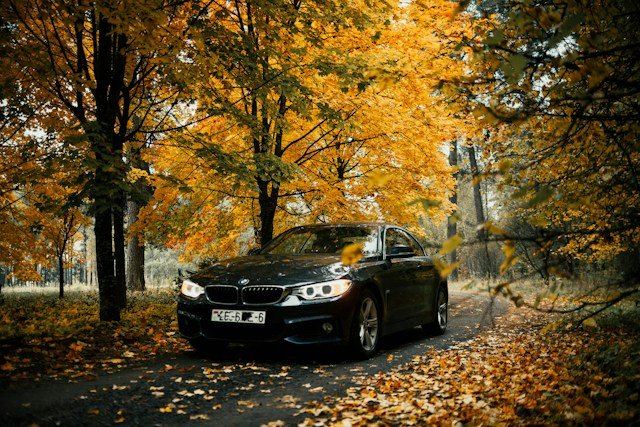
Most road trip advice is about the destination. This one is about the hours in between, which is where a weekend away is quietly won or lost.
There is a version of a weekend road trip that everyone has had at least once. You leave late, because something always comes up. You spend the first two hours half-annoyed at the traffic, the next hour hungry and the last hour wishing you were already there. You arrive tired, check in tired, and the first evening of your supposedly relaxing weekend is spent recovering from the journey that was meant to get you there.
The fix is rarely a better destination. It is treating the drive as part of the trip, not as a toll you pay to reach it. A few simple choices about how you plan the route, when you stop, what you pack and how you leave room for surprises can turn the same three hours in the car into one of the better parts of the weekend.
This guide collects the weekend road trip tips that tend to matter most. It covers choosing a route before a destination, a simple rhythm for breaking up a drive, how to decide which stops are worth the detour, a way of packing the car in zones so you are never digging for things, a set of short rules of the road, and how to handle changes of plan and the return journey. It is meant for ordinary weekend trips of a few hours each way, not epic cross-country voyages, though many of the ideas stretch easily.
Why the drive deserves a plan of its own
We tend to plan the parts of a trip that feel like the destination: where to stay, what to eat, what to see. The drive gets a rough estimate of the time and a vague hope that the traffic will be kind. Yet on a two-day trip, the journey can make up a large share of your waking hours. If those hours are stressful or dull, the weekend feels shorter than it is.
A road trip also has a particular advantage over other forms of travel. You are in control of the schedule, the soundtrack and the stops. You can pull over at a viewpoint, wander into a small-town bakery or take the slower road because it looks interesting. Flying and trains rarely offer that kind of freedom. A road trip that never uses it is wasting its best feature.
Choose the route before the destination
Many people pick a place and then ask the navigation app for the fastest way. That produces the quickest drive, but rarely the most enjoyable one. A better approach is to look at the route itself. Is there a scenic road running parallel to the highway? A small town halfway that you have always meant to stop in? A lake, a lookout, a state park or a stretch of countryside you have never seen?
Try a simple exercise before your next trip. Open a map and look at the area between home and your destination, not just the endpoints. Note two or three places that look appealing and are roughly on the way. Then sketch the trip as a line with a few markers, like the one below, so that you have a sense of how the day might unfold.
A sketch, not a map. The point is to choose a few places that make the drive itself part of the weekend.
Three stops is plenty for a weekend trip, and even that is a ceiling rather than a target. The goal is not to cram things in. It is to give the journey a few anchor points so it feels like a sequence of small experiences rather than a single long block of road.
It also helps to decide which direction you want to be driving at which time of day. A westbound drive late in the afternoon can mean hours of low sun in your eyes. A trip through a scenic area is better done in daylight. If you are choosing between two routes of similar length, think about the light, the likely traffic and where you would like to be at golden hour.
Season matters as well. In autumn, a drive through hills or woods can be half the reason for going, and you may want to leave extra time for photographs and slow stretches. In summer, early starts help you avoid the busiest roads and the hottest part of the afternoon. In winter, shorter days mean the daylight window is smaller, so the plan needs to be tighter and the stops fewer. Thinking about the time of year while you sketch the route is a small step that makes the whole weekend feel better suited to the moment.
Finally, consider who you are traveling with. A trip with close friends can tolerate a long, ambitious route and plenty of spontaneous detours. A trip with relatives of different ages might call for shorter legs and more frequent breaks. A solo trip can be as quiet or as adventurous as you like. There is no single right style, only the one that fits the people in the car.
The 90-minute rhythm
One of the simplest ways to make a long drive more pleasant is to break it into chunks. Many drivers find that after around an hour and a half behind the wheel, attention and comfort both start to dip. Planning to stop at roughly that interval, and using the stop as a small event rather than a chore, makes the whole day feel lighter.
A rough rhythm, not a rule. Adjust it to the road, the weather and how everyone feels.
The ten-minute stop is not just for the car. It is for stretching your legs, drinking some water, checking the map and letting your attention reset. The longer stop, perhaps around the midpoint, is where you do something more memorable: a proper meal, a short walk or a visit to somewhere interesting. It is the kind of stop that turns into a story later.
The rhythm also keeps you honest about timing. If you plan three drives and two stops, you can see that a three-hour trip is really closer to four. That small adjustment, made in advance, saves you from the late-afternoon panic of realizing you are behind schedule and cutting out the stops that would have made the trip special.
Choosing stops that are worth the detour
Not every attraction on the way is worth stopping for. A stop that takes forty minutes to reach, an hour to see and another forty minutes to get back on route is a major event, not a quick break. Before you add anything to the plan, ask whether it is truly on the way and whether it adds something the trip would otherwise lack.
Worth the detour
- A small town with a walkable main street and a good place to eat
- A viewpoint or short trail that takes under an hour
- A local farm stand, bakery or market
- A place you have always meant to see, within a few minutes of the route
- Somewhere with a restroom and space to stretch
Probably skip it
- An attraction that needs a long detour and a timed ticket
- A stop picked only because it appeared on a list of “must-sees”
- Anywhere that will push you into arriving in the dark
- A place that would be better as its own trip
- A stop that makes the drive feel rushed
A good rule of thumb is to look for places that are small, close and easy. They fit into the day without taking it over, and they are often more interesting than the headline attractions. A diner with a handwritten menu, a roadside lookout or a quiet picnic spot beside a river will often be remembered long after a busy tourist stop has faded.
It is also worth leaving one stop deliberately unplanned. Keep a gap in the schedule for something that catches your eye: an interesting sign, a view, a shop. Some of the best parts of a road trip arrive unannounced, and having room for them is what makes the difference between a trip that is merely efficient and one that feels alive.
Pack the car in three zones
Anyone who has pulled over to dig through a bag for sunglasses, a charger or a snack knows how much time poor packing can cost. The simplest solution is to think of the car as three zones, and to pack each according to how often you will need what is in it.
The idea sounds obvious, but it changes how you pack. Instead of throwing everything in the trunk and hoping, you deliberately set aside a small bag for the front, another for the back seat and leave the heavy things for last. When you pull into a quiet spot for a picnic or a viewpoint, you can grab a single bag and go.
It is also worth keeping the car tidy as you travel. A small bag for rubbish, a few wipes, and a habit of clearing the front seat at each stop prevent the slow build-up of clutter that makes a car feel cramped by the second hour. If you want a longer packing list for a weekend away, our weekend getaway planning post includes one, and it pairs nicely with the zones above.
Short rules for the road
Everyone develops their own habits after enough trips. Here are a few that tend to make a difference, presented the way a roadside sign might point them out.
The first half hour of a trip is often the least predictable. Leaving a little early removes the pressure and lets you enjoy the first stop rather than rushing past it.
Coverage can disappear on quiet roads and in rural areas. Saving offline maps for your route before you set off means a missing signal is an inconvenience, not a problem.
Whether you drive a gas car or an electric one, do not wait until the last moment on a quiet stretch. Plan your refuel or recharge stops when you are choosing the route.
If there are two drivers, swap at a planned stop rather than waiting until someone is tired. It keeps the trip pleasant and gives the passenger a turn at the view.
Reaching a new place in the dark, especially a rural one, is harder than it sounds. Plan to arrive while there is still light to find the entrance, park and unpack calmly.
A road trip is meant to bend a little. Treat the schedule as a sketch and let yourself drop a stop or add one when the day suggests it.
Eating well on the road
Food shapes how a road trip feels more than most people expect. A long stretch without eating makes everyone irritable. A heavy meal in the middle of the day makes the afternoon drive sluggish. And a run of the same fast-food stops can leave you feeling like you have been driving for a week.
The easiest solution is to carry a small, well-chosen supply of snacks and water within reach. Fruit, nuts, crackers, sandwiches and anything that does not make a mess are ideal. Pack them in a small bag or cooler so that nobody has to ask. Then plan one proper meal at a place that appeals to you, ideally something local, such as a diner, a bakery or a market stall. It turns lunch into a highlight instead of an interruption.
If you are traveling with others, ask about any dietary needs and preferences before you go, so that stops are chosen with everyone in mind. And leave the car as clean as you found it, since food smells and crumbs have a way of lingering.
Making the passenger seat better too
If you are not the only person in the car, remember that a road trip has two kinds of experience: the driver’s and everyone else’s. Passengers can easily end up bored, hungry or car-sick of the same playlist. A little planning helps.
Agree on music or audio before you leave, and take turns choosing. A mix of familiar songs, a podcast you can both enjoy or an audiobook for a long stretch can make hours fly by. Give the passenger a role, such as navigating, finding the next stop or choosing a place to eat. It keeps them engaged, and it takes some of the weight off the driver. And if someone wants quiet, respect that, too. A road trip is a good place for long stretches of comfortable silence.

When plans change
Weather turns, roads close, attractions are busier than expected and someone gets tired. A road trip is full of small uncertainties, and the most relaxed travelers are the ones who treat changes as part of the trip rather than as a failure of the plan.
It helps to have a few backup ideas, such as an alternate stop nearby or an indoor option if the weather is poor. Check conditions and any official road advisories before you leave and again during the trip, and be willing to adjust the route or the timing based on what you find. If you are running late, cut a stop rather than rushing the drive. If you are running early, add something small.
Above all, keep a sense of humor. The wrong turn that leads to an unexpected view, the diner that turns out to be closed and the cafe you find instead are all part of the story. A road trip that goes exactly to plan is a nice trip. One that goes slightly off plan and works out anyway is usually the one people talk about.
The way home
Many weekend trips are ruined by the return. You leave late on Sunday, hit the traffic, arrive home tired and face Monday with no time to recover. A few simple choices can prevent this.
Leave earlier than you think you need to, ideally in the early afternoon rather than the evening. Choose a different route home if you can, or at least plan one stop to break up the drive. Pack the car the night before so that the final morning is relaxed. And when you get home, do a quick unpack of the essentials, such as the cooler, the laundry and the car trash, so you do not wake to chaos. If you want help ending the weekend calmly, our posts on a Sunday reset routine and a night routine checklist fit naturally here.
What this adds up to
The best weekend road trip tips are not about doing more. They are about paying a little attention to the part of the trip most people ignore. Choose a route you will enjoy, break the drive into manageable chunks, pick a few small stops that fit, pack the car in zones, follow a few simple rules and leave room for surprises. Do those things, and the hours behind the wheel become one of the best parts of the getaway.
You do not need a perfect itinerary or a special car. Pick a weekend, choose a road you have never driven, and give yourself permission to stop somewhere interesting along the way. The destination will be waiting when you get there, and you may find that you have already had half the trip.
Frequently asked questions
What are the best weekend road trip tips for beginners?
Plan the route as well as the destination, break the drive into roughly 90-minute stretches, pick one or two small stops, keep snacks and water within reach and arrive with daylight. Keep the plan loose enough to adjust.
How long should a weekend road trip drive be?
For most people, two to four hours each way works well, which leaves enough of the weekend for the destination. Longer is possible, but the drive starts to take over the trip.
How many stops should I plan?
One to three stops is usually enough for a weekend trip. Add one longer stop for a meal or a walk, and leave a gap in the plan for something unexpected.
What should I keep within reach in the car?
Water, snacks, sunglasses, a phone charger, tissues, a small bag for rubbish and your navigation setup. Keep jackets and picnic items on the back seat, and luggage in the trunk.
How do I keep passengers happy on a long drive?
Agree on music or audio, give them a role such as navigating or choosing a stop, and plan regular breaks. Respect quiet time when someone wants it.
What is the best time to leave for a weekend road trip?
It depends on traffic where you live and how much daylight you want, but leaving early in the morning or at a quiet off-peak time is often easier than leaving at rush hour. Aim to arrive while it is still light.
How can I make the drive home less tiring?
Leave earlier in the day, plan one stop, pack the car the night before and give yourself a quiet evening to unpack and rest before Monday.

Written by Rayhan Kobir Rayhan writes practical, calm guides about home, routines and everyday living at LifeWise Journal. This article shares general travel ideas, not driving, safety, legal or vehicle advice. Always follow local laws and use your own judgment on the road.